
Description
Guatemalan Medina
Black Honey Process
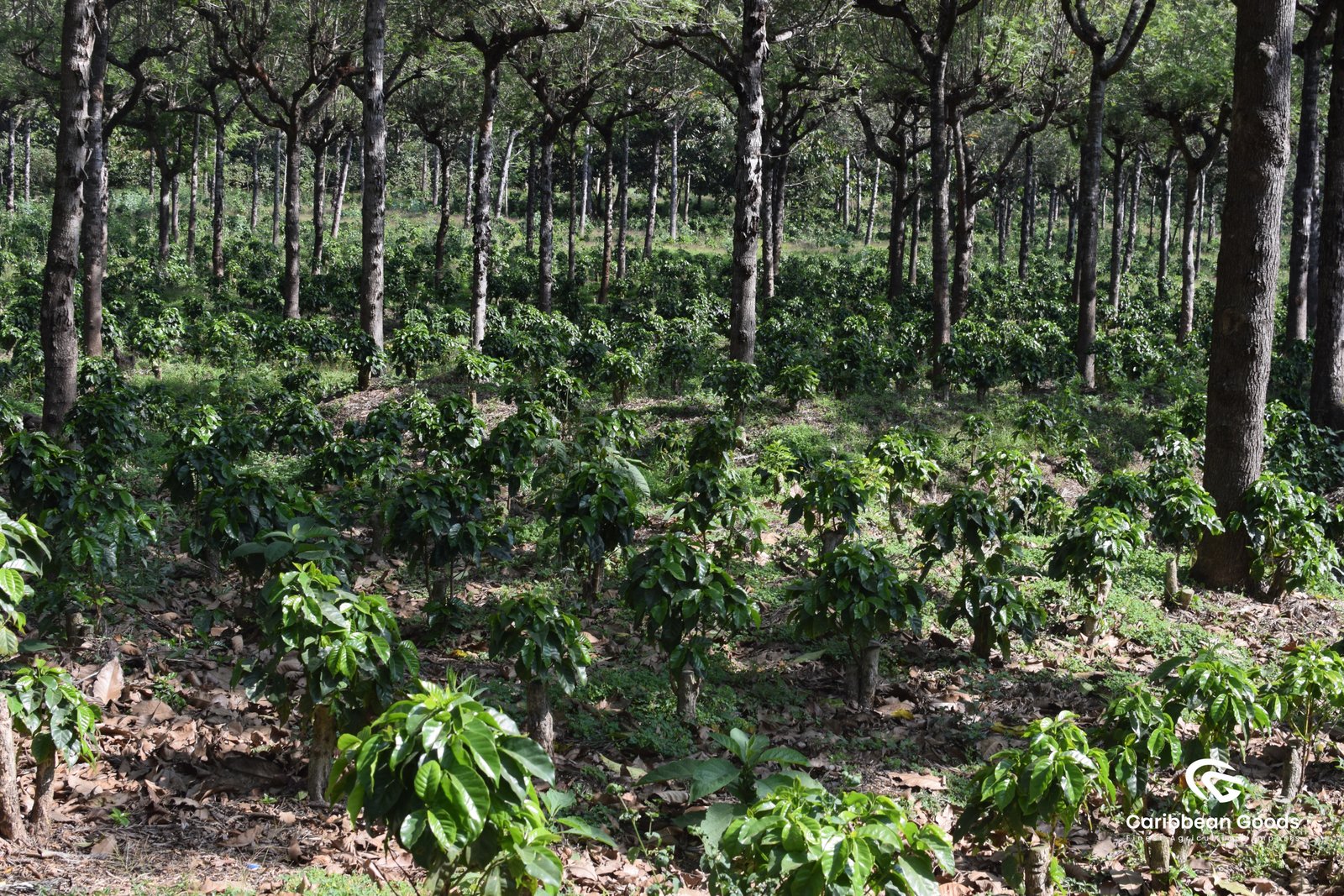
Finca Medina was founded in 1842. With 100 hectares, Finca Medina is located in the foothills of the Agua volcano on the outskirts of Antigua, Guatemala City.
The farm combines modern technology with traditional techniques to produce Antigua coffee. Each coffee batch is evaluated in the laboratory to verify the traceability, quality, fragrance, aroma, flavour, balance, sweetness, and all the different cup profiles.
The farm has a top-of-the-line water treatment plant, where the water from the wet part of the process is processed. The treatment plant has a primary stage with an anaerobic, facultative, and wastewater pond system, and it’s coated with a plastic membrane to avoid water filtration to the groundwater layer in the subsoil. The farm has set the goal to be a pioneer in water cleaning in coffee processes to reuse the water and hopes to accomplish the most exigent parameters in the BOD and QOD indexes.
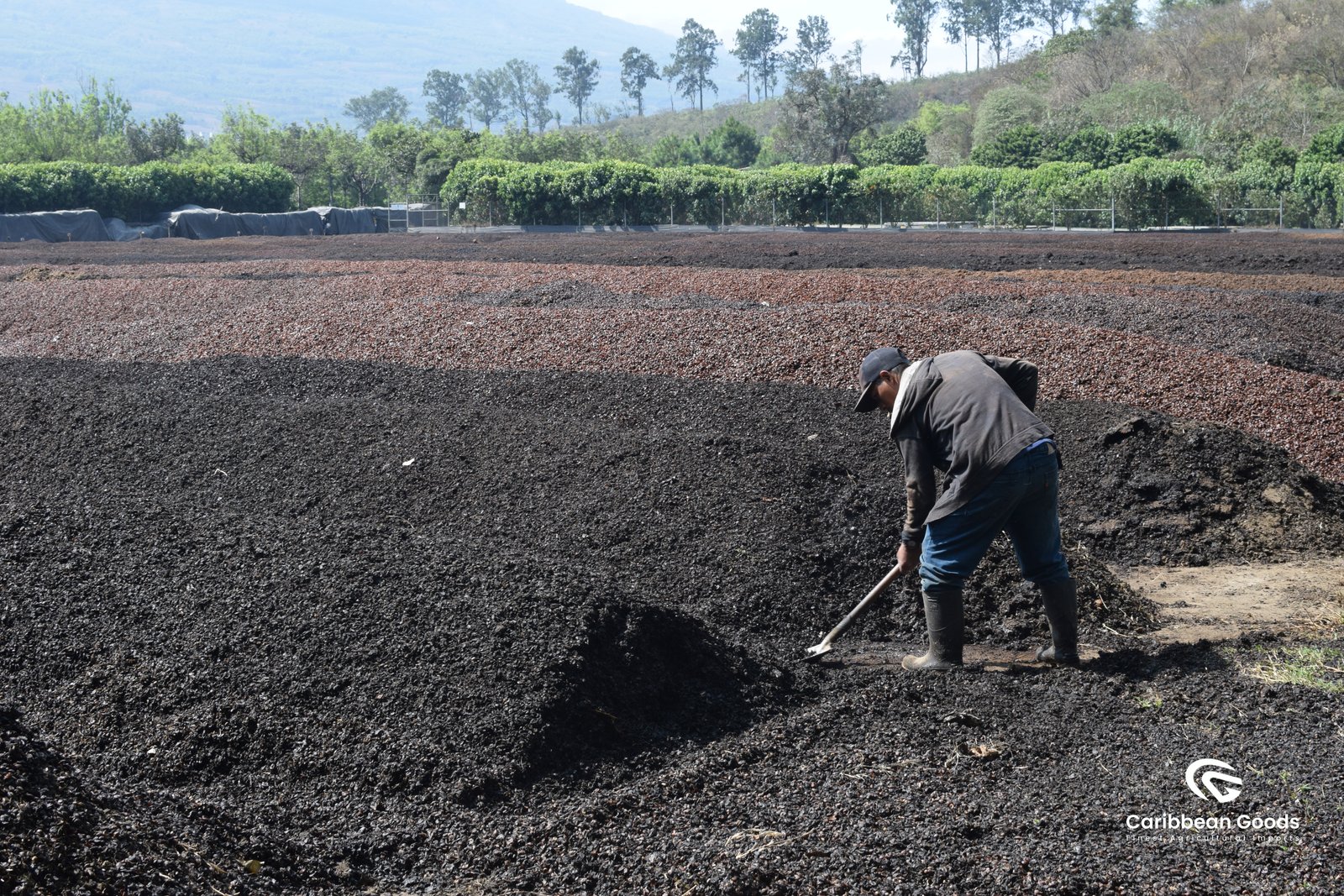
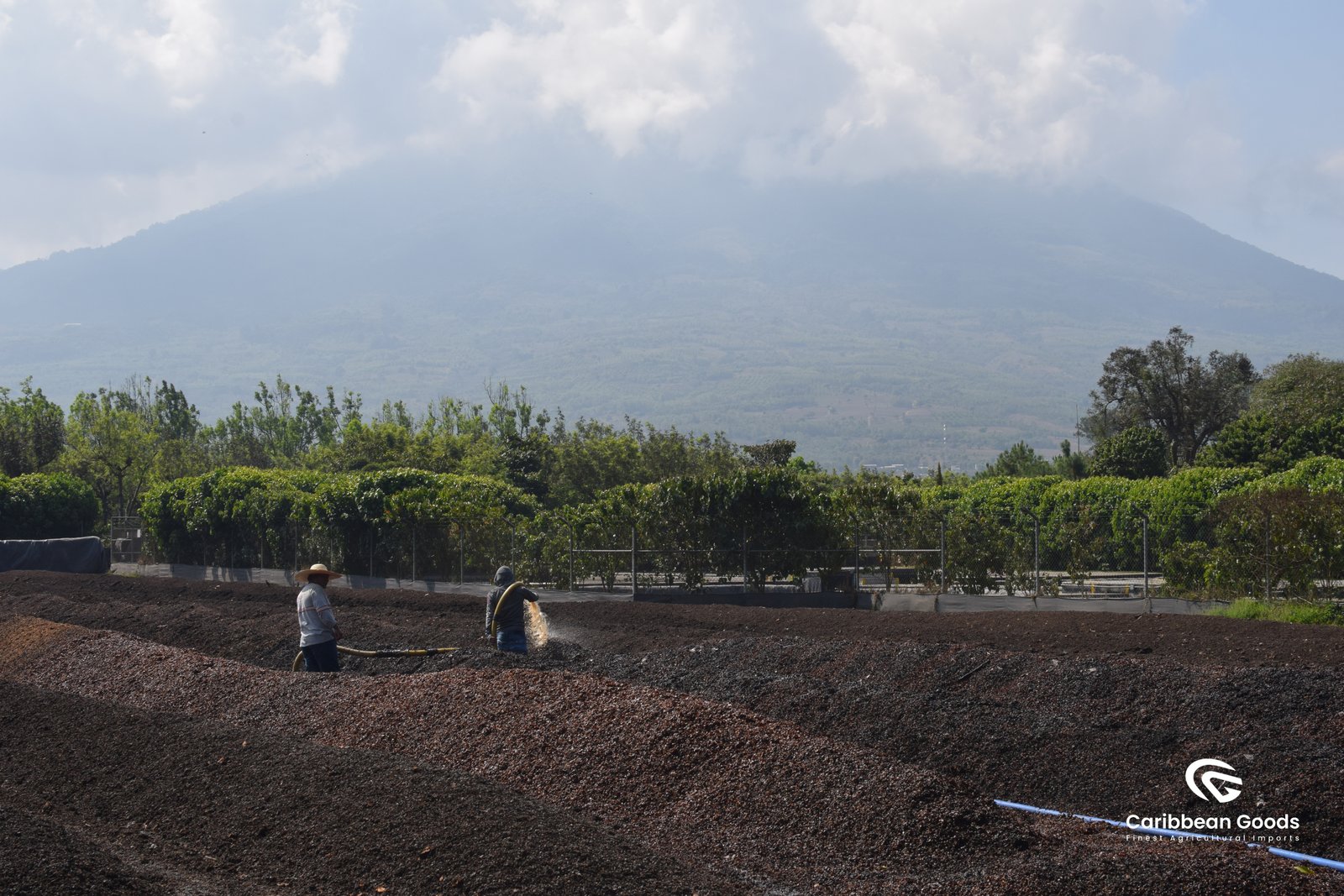
The coffee pulp is used for the elaboration of organic compost. During this process, the farm uses 30% of the water used in the wet stage of the coffee process. The sub-products are mixed and turned through a particular compost machine. The turning is made several times a week to guarantee the aeration and liberation of water and carbon dioxide.
The water that comes from the processing of the coffee is poured into the compost beds and helps to rehydrate the compost. It also adds bacteria and enzymes that benefit the decay process. To enrich the compost, the wooden sticks, leaves, and other natural products from the farm´s activities, like wood chopping and tree trimming, are also added to the compost beds. Once the compost has reached the stage where it can be utilized as organic fertilizer, it is applied to the coffee trees.
The transformation and use of these sub-products ensure that the operation recycles and reutilizes the waste products in a friendly and healthy way for the environment, closing the whole cycle of coffee production.
FARM/COOP/STATION: Guatemala, Sacatepequez
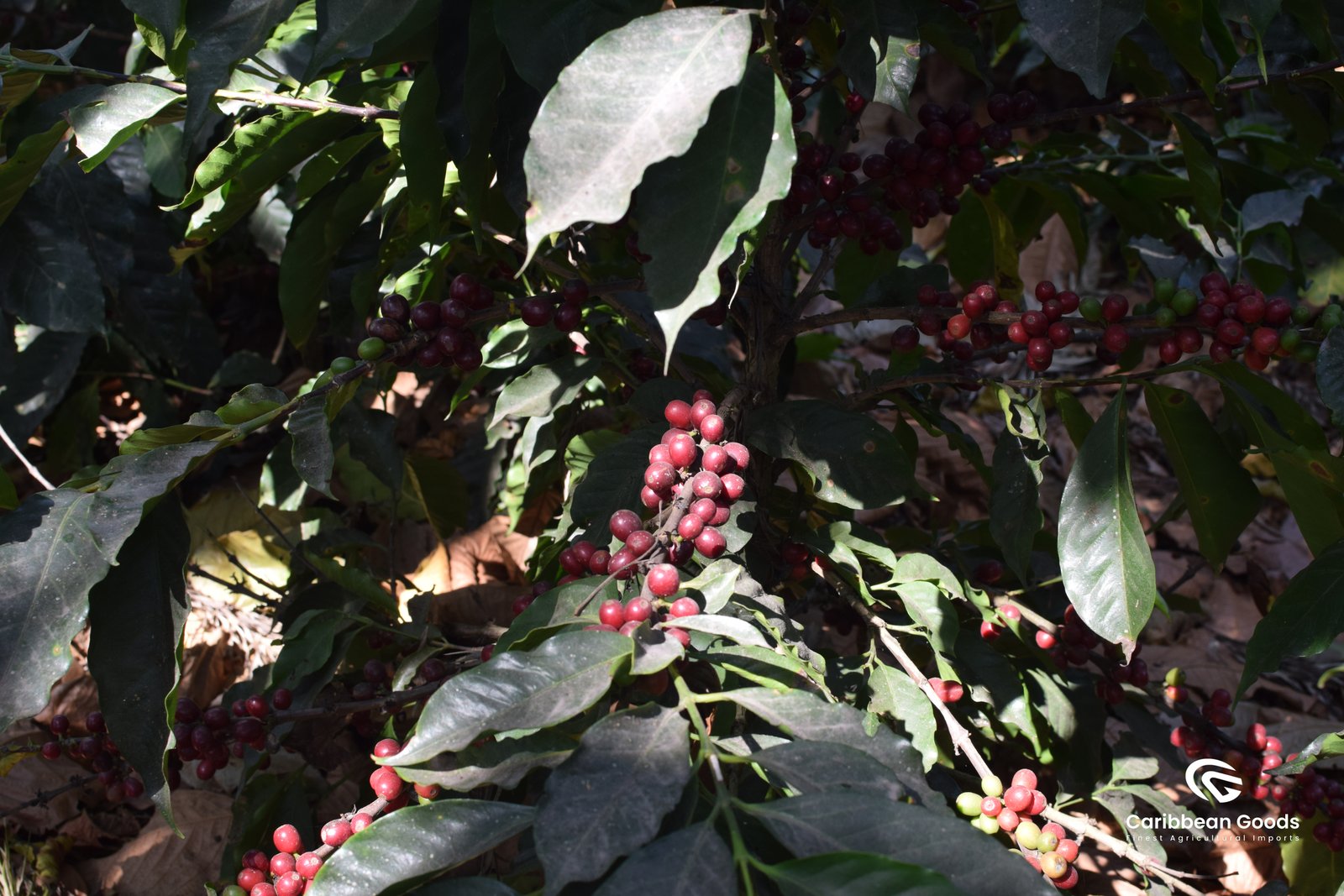
VARIETAL: Caturra
PROCESSING: Black Honey
ALTITUDE: 1,550 to 1,800 meters above sea level
What’s Black Honey Processing?
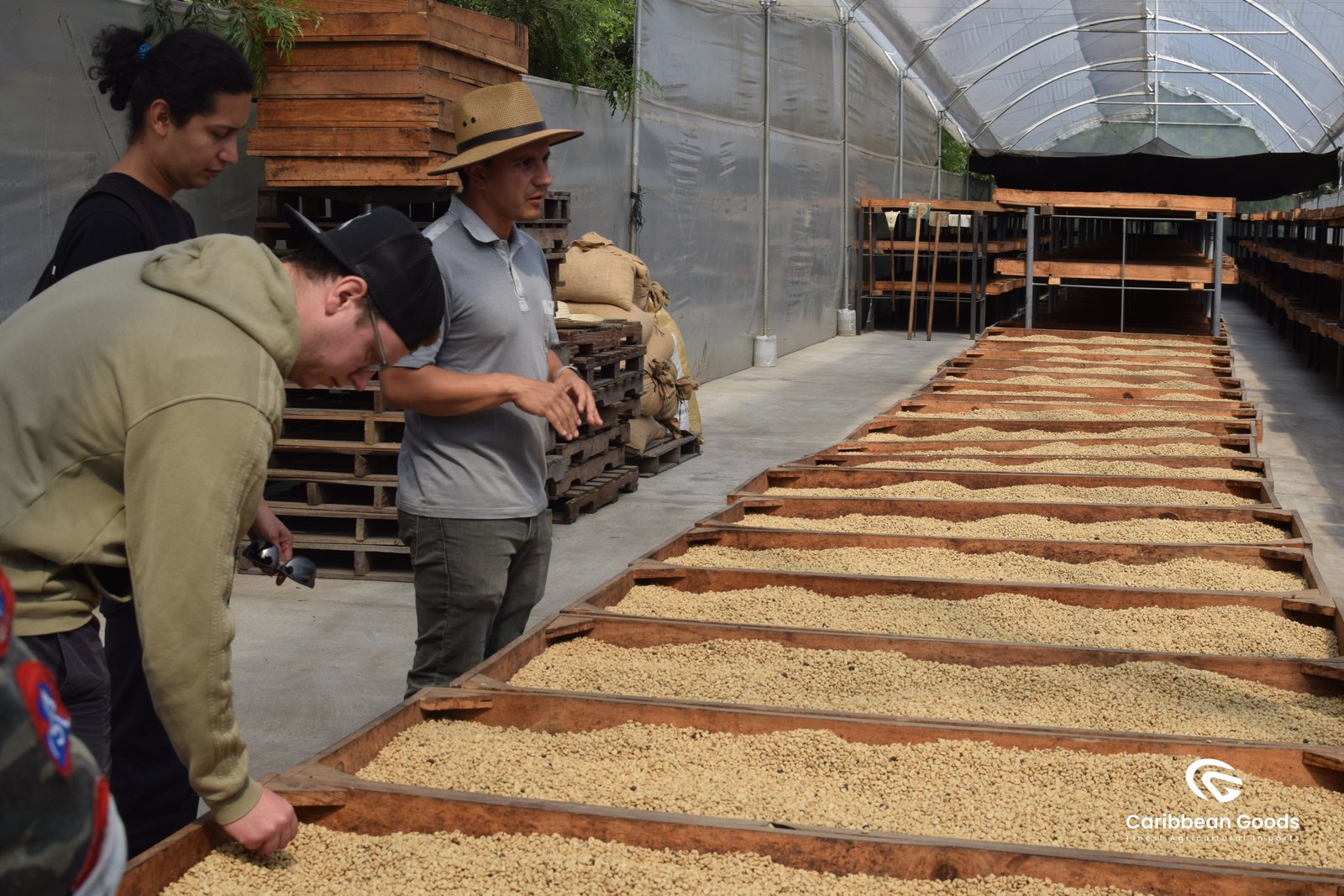
Black honey sits somewhere between washed and natural, but definitely wanders over to the fruity side of the playground. After the cherries are picked, the growers remove the skin but leave loads of the sticky fruit layer (the mucilage) on the beans. Instead of rinsing it off, the coffee is dried slowly with all that sugary stuff still attached.
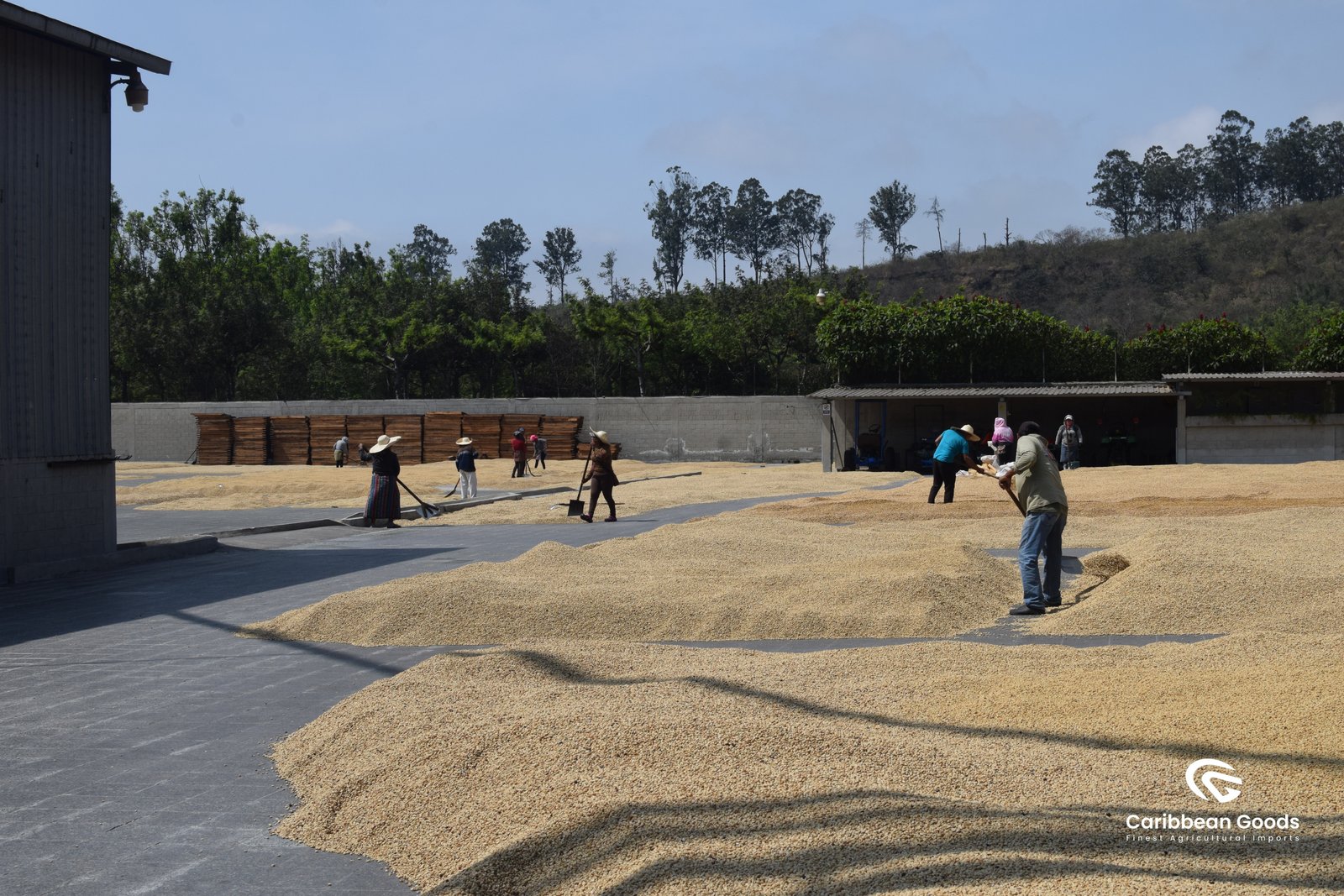
Because there’s so much fruit left on, the beans take their sweet time to dry. Producers have to keep a close eye on everything—turning the coffee regularly, controlling shade, and generally babysitting it for days. More effort for them, more flavour for us.
How It Tastes
Expect big sweetness, dark-fruit vibes and a thicker, syrupy body. Black honey coffees often give you those jammy berry notes and a long, dessert-like finish. If you enjoy fruit-forward flavours without stepping fully into the funky world of naturals, this style hits the spot.
Why It’s Worth the Fuss
Black honey processing is definitely a labour-of-love approach, and it comes with more risks for the producers. But when it’s done well? You get a cup that feels both adventurous and approachable—full of character, balance, and just the right amount of wild.
Information and pictures sourced from Caribbean Goods specialty coffee
How to store coffee at home
To keep your coffee as fresh as possible, you need to protect your coffee from air, sunlight, heat, and moisture. These all will contribute to making it stale and lose flavour.
We suggest keeping your coffee in an airtight container, in a cool, dry cupboard. Our bags all have a de-gassing valve, to let out CO2 that the beans produce once roasted, it’s not just there to sniff the coffee, and a reusable ziplock. So if you don’t have a fancy coffee jar just push the air out the bag, zip the lock and give the bag another squeeze to get any remaining air out.
Do not store your coffee in the fridge. Roasted coffee absorbs moisture from the air (hygroscopic) and will also take up surrounding aromas. The aromas and moisture levels in the fridge will react with the coffee and delicate flavours will deteriorate.
Need help on which grind size? Click here
News Letter
Fancy 15% off a coffee order? Then sign up to our news letter for a discount code, along with being the first to know about new coffees, special offers, tips and tricks.
Want to know more about Bell’s Beans?


Reviews
There are no reviews yet.