


Ethiopia
Ethiopian, Sidama. Honey
Ethiopian, Sidama. Honey
Couldn't load pickup availability
Shipping
We ship using Royal Mail 48hr (standard option) and Royal Mail 24hr (express option).
Free 48hr shipping on all orders over £30.
If you live local to us, GU21 or 22 postcode, then we'll deliver it to you ourselves free - just enter your address at checkout & select "free local deliver"
Share


The specs
TASTING NOTES
Sugaercane, White Grape, Blueberry, Floral, and Sweet
COUNTRY
Ethiopia
REGION
Bensa, Sidama
PRODUCER / FARM
Daye Bensa
ALTITUDE
2120 — 2210 masl
PROCESS
Honey / Pulped natural
VARIETAL
Heirloom
COFFEE GRADE
Fw Gr. 1
CUP SCORE
88.0
TYPE
Regular
ROAST
Light Roast
Product description
This delicious Gr.1 lot is delicate, bright, fruity and floral. It is everything you want from a coffee grown in Ethiopia and is definitely one of my personal favourites.
An amazing specialty coffee with flavours of sugarcane, white grape, blueberry, floral and sweet.
With a green cupping score of 88
I have 1 sack of this coffee and if it proves as popular as before it won’t be about for long!
The last batch of this coffee has been roasted on the 10th August, don't miss out!
About this coffee
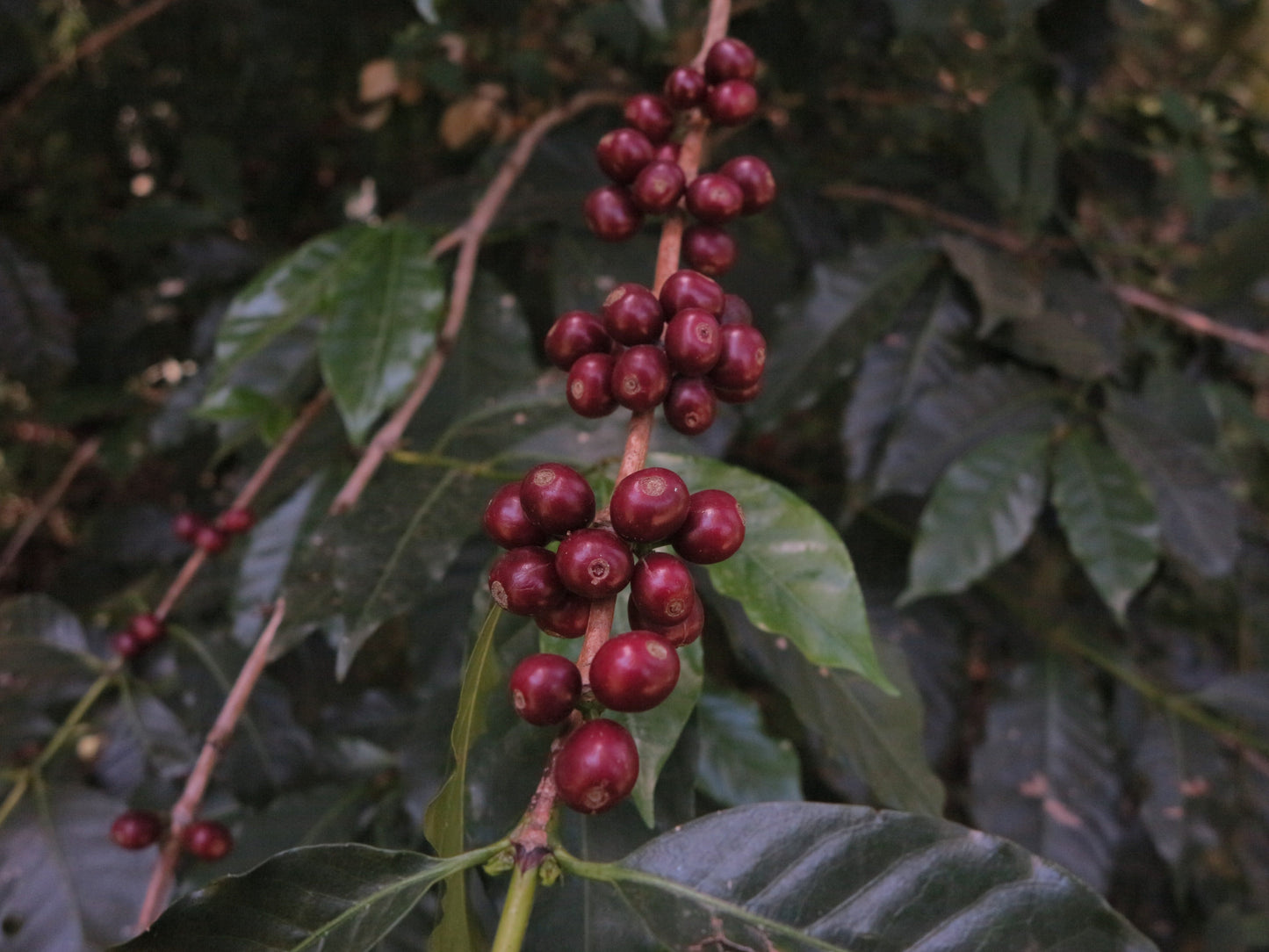
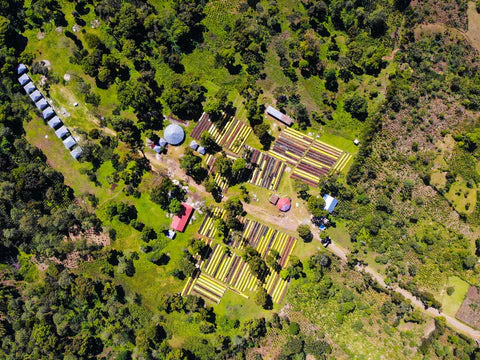
Gatta Farm is the place where we run a dedicated specialty program. Daye Bensa’s Gatta Farm is at the heart of Shantawene Village, in Sidama Bensa, Ethiopia. It sits at an altitude of 2120 – 2210m in the midst of a natural forest. The site is surrounded by indigenous trees, which are older than 100 years, waterfalls, and rivers. One of the rivers separates Shantawene from Bombe and runs from the hills above Keramo. Gatta Farm has been named after a waterfall which crosses the farm.
Gatta Farm was a natural forest before being discovered by the cofounder of Daye Bnesa, Mulugeta Dukamo, while managing the construction of Gafisse Station. They planted the first coffees in 2013, and established the drying station in 2017. The vegetation and forest surrounding the farm is useful as natural shade for the farm and the drying station. Plantation, harvesting and processing works are mainly done by the local residents. Also women are involved and are mainly assigned to quality control and processing, except for labor intensive tasks. By offering working opportunities and proper wage this is a real benefit for the local residents.
Daye Bensa’s Gatta Farm isn’t only a farm, it consists of a drying station, a lodge and a training facility. During harvesting season, the drying station becomes active and also offers accommodations for employees or trainees until the training has ended. The training facility offers training in coffee processing for interested individuals.
Coffee Grade: Fw Gr. 1
Varietal: Ethiopian Heirloom
Processing: Honey
Altitude: 2,120 – 2,210 Meters Above Sea Level
Producer: Daye Bensa
Region: Bensa, Sidama
Grade 1
Grades in Ethiopia depend on visual inspection for defects and on cup quality. Grade 1 is considered the highest quality coffee. Grade 1 and 2 are considered specialty coffee, grades 3-9 are classified as commercial coffee. Grade 1 is free of cup faults and taints and has zero quakers.
Coffee in Ethiopia
While Ethiopia is famous as coffee’s birthplace, today it remains a specialty coffee industry darling for its incredible variety of flavours. While full traceability has been difficult in recent history, new regulations have made direct purchasing possible.
The exceptional quality of Ethiopian coffee is due to a combination of factors. The genetic diversity of coffee varieties means that we find a diversity of flavour, even between (or within) farms with similar growing conditions and processing. In addition to varieties, processing methods also contribute to end quality. The final key ingredients for excellent coffee in Ethiopia are the producing traditions that have created the genetic diversity, processing infrastructure and great coffee we enjoy today.
Most producers in Ethiopia are smallholders, and the majority continue to cultivate coffee using traditional methods. As a result, most coffee is grown with no chemical fertilizer or pesticide use. Coffee is almost entirely cultivated, harvested and dried using manual systems.
This coffee and information has been supplied to Bell’s Beans by Coffee Legends LTD
How to store coffee at home
To keep your coffee as fresh as possible, you need to protect your coffee from air, sunlight, heat, and moisture. These all will contribute to making it stale and lose flavour.
We suggest keeping your coffee in an airtight container, in a cool, dry cupboard. Our bags all have a de-gassing valve, to let out CO2 that the beans produce once roasted, it's not just there to sniff the coffee, and a reusable ziplock. So if you don't have a fancy coffee jar just push the air out the bag, zip the lock and give the bag another squeeze to get any remaining air out.
Do not store your coffee in the fridge. Roasted coffee absorbs moisture from the air (hygroscopic) and will also take up surrounding aromas. The aromas and moisture levels in the fridge will react with the coffee and delicate flavours will deteriorate.
Choosing Grind Size
If you need some help choosing which grind size to select then checkout which settings we use in the roastery for each brew method, or feel free to give us a shout and ask any questions.