
Description
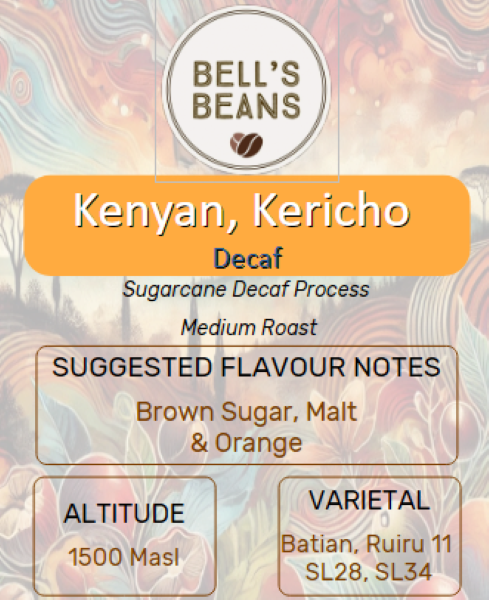
Kenyan, Kericho. Sugarcane Decaf
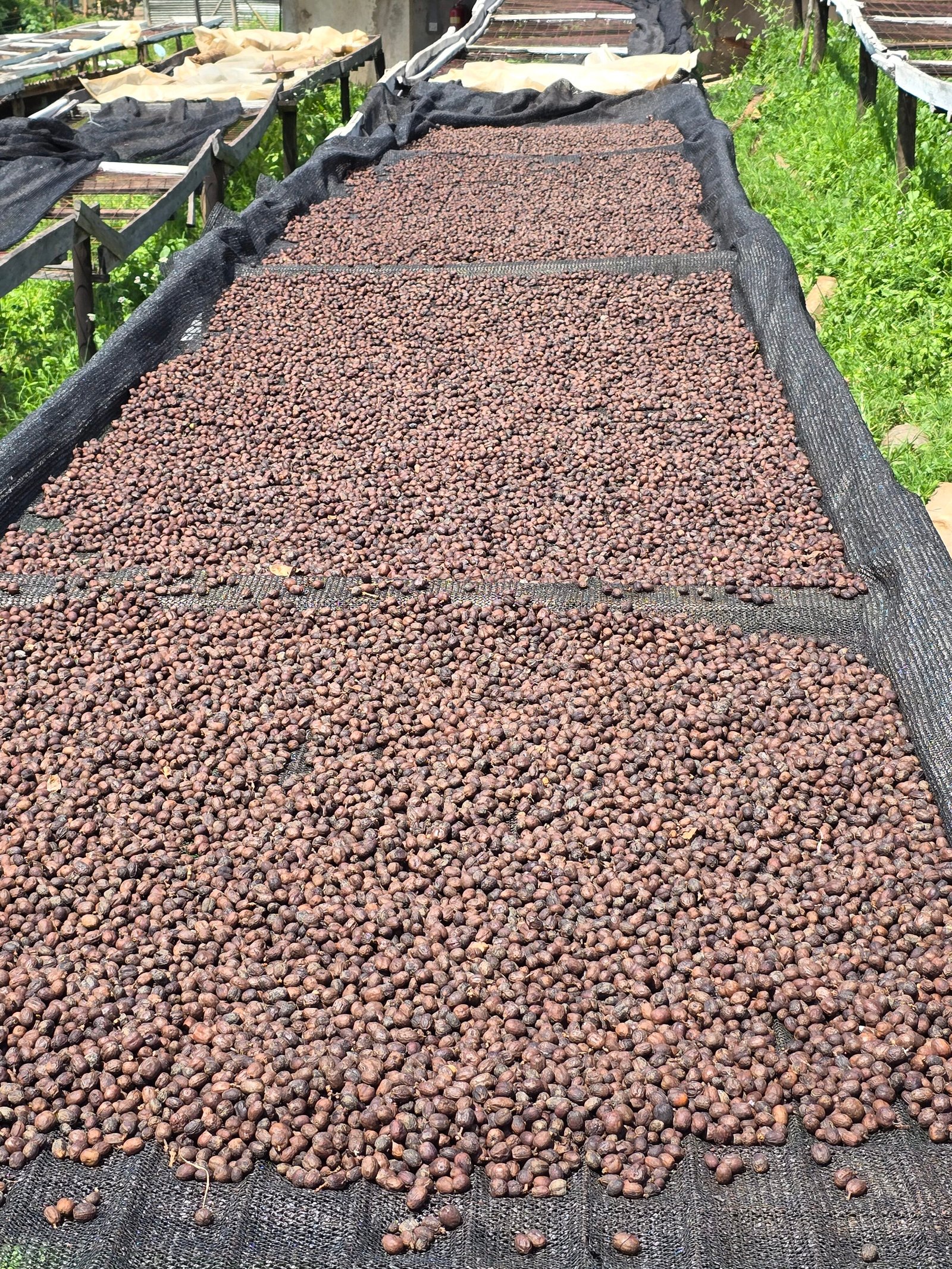
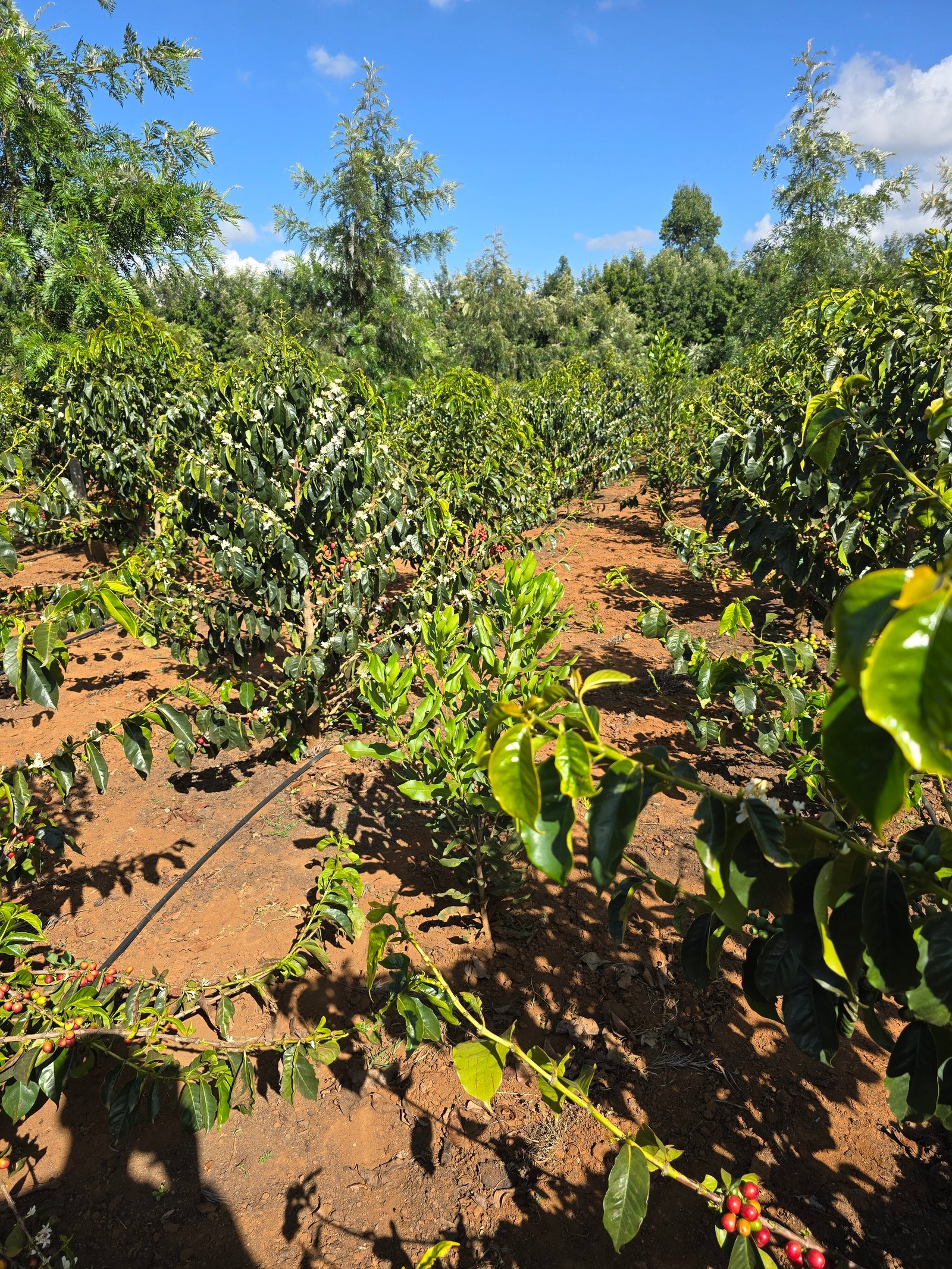
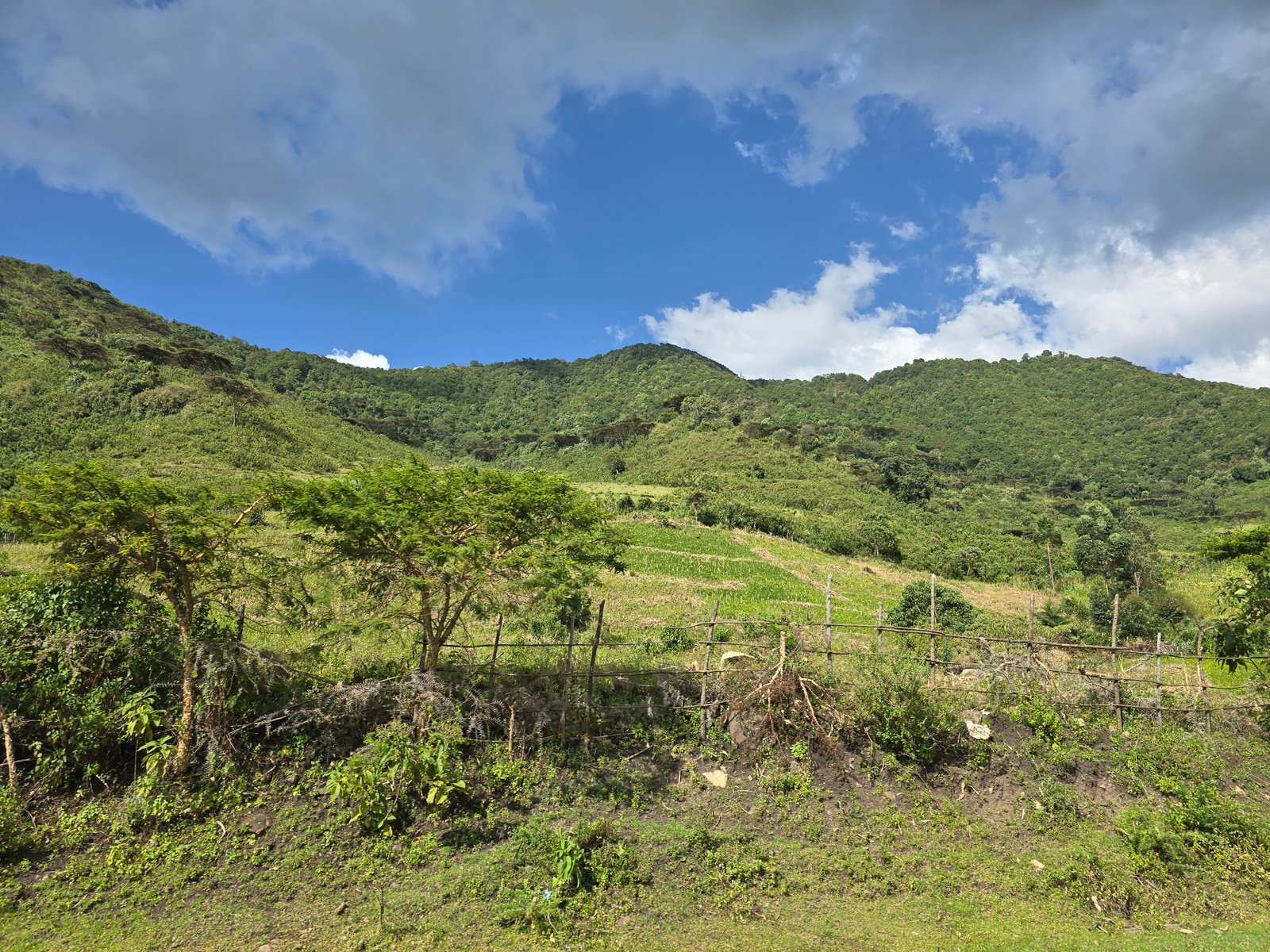
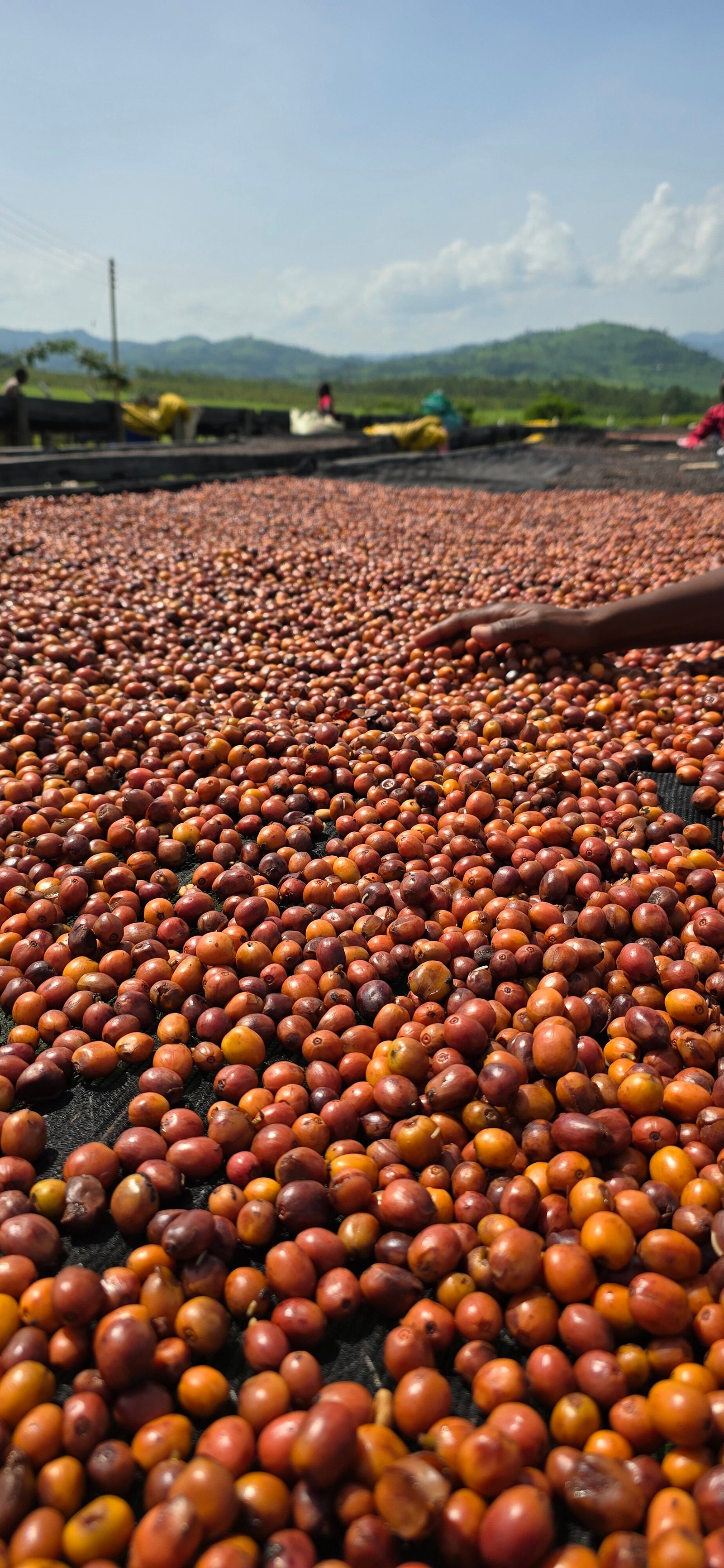
This is a fully washed AA coffee grown in Kericho County, Kenya. It was processed by Samuel Koskey at a Lot 20 satellite processing facility in Kunyak, Koru, located at the border of Kericho and Kisumu counties. Samuel manages this small facility on his farm, where Lot 20 has invested in 10 drying beds and piping from a natural spring. This enables them to produce a classic Kericho washed coffee from one of Kenya’s most historic and significant coffee-growing regions. Notably, the Coffee Research Institute in Koru is located just 2 km from this facility.
Once processed, the coffee was shipped to Coffein Compagnie in Bremen for decaffeination using the Ethyl Acetate method. Coffein Compangnie was chosen for their reputation in handling small, traceable lots with care.
Sugarcane Decaf Process
Sugarcane decaffeination utilizes a naturally occurring compound, ethyl acetate (EA) to decaffeinate coffee. The EA used in this process is derived from molasses (a by-product of sugar production). Since EA is naturally-occurring, the process is labelled as “naturally decaffeinated.” The EA process is relatively simple. The coffee beans are moistened with water and EA is circulated throughout. The EA binds with the caffeine in the bean and extracts the caffeine while leaving most of the other flavour compounds. After the desired caffeine level is reached, the EA residue on the beans is removed by steaming them.
COFFEE GRADE: AA
FARM/COOP/STATION: Lot 20 Kunyak, Koru
VARIETAL: Batian, Ruiru 11, SL28, SL34
PROCESSING: Fully washed, Sugarcane Decaf
ALTITUDE: 1,500 meters above sea level
REGION: Kericho County, Kenya
HARVEST MONTHS: Central Kenya: May – June
Lot 20 Coffee
Lot 20 Coffee was founded by Sidney Kibet in 2019, who moved back to his home of Kericho, Kenya after living in Rwanda and running a coffee export business. Kibet founded Lot 20 with the initial goal of exporting 20 lots of coffee from farmers in Bomet and Kericho counties. Since its establishment, the company has expanded its operations significantly, growing from its original focus in two counties to collaborating with farmers in five: Kericho, Bomet, Nandi, Kisii, and Migori.
In 2023, Lot 20 opened its own washing station, Metibellion, located in Ainamoi, Kericho, which aims to produce high-quality, experimental coffees. The number of farmers working with Metibellion grew from 29 in the 2023 harvest to 50 in 2024. Lot 20 has also started collaborating with Misadhi, based in Rongo County, which has access to cherries from Kisii, Nyamira, and Migori counties, further expanding their coffee processing capabilities.
Operations
Lot 20 Coffee’s mission is centred on improving coffee processing techniques while staying grounded in local communities. By choosing to operate smaller processing facilities in Kericho rather than large, high-tech facilities in Nairobi, Lot 20 aims to keep value within local communities. This grassroots approach supports the local economy and provides employment opportunities, particularly for women, through collaborations like the one with Great Rift Coffee.
The company also seeks to centralise new coffee processing methods in Kericho County. To support this goal, Lot 20 purchased 0.3 acres of land in 2024, where construction of a new world-class processing facility will begin in September. This facility is planned to include a micro decaffeination plant, with a production capacity of 3 tonnes of decaffeinated coffee per season.
About SL28 & SL34
SL28 and SL34 were two of the cultivars released by Scott Agricultural Laboratories (SAL) during the height of SAL’s research in Kenya in the 1930s and 1940s. They soon became the cultivars of choice for most growers thanks to their deep root structure that allows them to maximize scarce water resources and flourish even without irrigation. SL varieties also had higher yields than the French Bourbon rootstock that they replaced and were known to be somewhat more disease resistant.
About Ruiru 11
Ruiru 11, a hybrid of Catimor and SL cultivars, is both Coffee Berry Disease (CBD) and Coffee Leaf Rust (CLR) resistant. Plus, it can be planted at a much higher density than the SL varieties, making optimal use of small plots of land.
Ruiru 11 has slowly ‘taken root’ across most of Kenya’s coffee growing landscape. The only issues were that with a shallower root structure, many farmers found the plant less hardy in drought conditions, and the trees required a more intense feeding program. Over time, farmers have found that by grafting Ruiru-11 to SL varieties they could take advantage of SL trees’ expansive root system and still reap the increased yields and higher immunity to disease of Ruiru-11.
Due to the grafted Ruiru-11’s growing popularity, most farms in Kenya today, both big and small, have a mixture of Ruiru-11 and SL varieties. As SL trees age, many farmers are opting to turn more towards Ruiru-11 (or the grafting solution) thanks to its ease of use and higher resistance to diseases.
Coffee, Information and pictures supplied by Omwani
How to store coffee at home
To keep your coffee as fresh as possible, you need to protect your coffee from air, sunlight, heat, and moisture. These all will contribute to making it stale and lose flavour.
We suggest keeping your coffee in an airtight container, in a cool, dry cupboard. Our bags all have a de-gassing valve, to let out CO2 that the beans produce once roasted, it’s not just there to sniff the coffee, and a reusable ziplock. So if you don’t have a fancy coffee jar just push the air out the bag, zip the lock and give the bag another squeeze to get any remaining air out.
Do not store your coffee in the fridge. Roasted coffee absorbs moisture from the air (hygroscopic) and will also take up surrounding aromas. The aromas and moisture levels in the fridge will react with the coffee and delicate flavours will deteriorate.
Need help on which grind size? Click here
News Letter
Fancy 15% off a coffee order? Then sign up to our news letter for a discount code, along with being the first to know about new coffees, special offers, tips and tricks.


Reviews
There are no reviews yet.