
Description
About this Coffee
Odaco Natural Lot is named to honour the cultural heritage of Shantawene, Sidama. “Odaco” refers to a significant tree in the village, under which the local community gathers to resolve conflicts — a long-standing tradition that symbolises unity and wisdom across generations. Similar practices exist throughout Ethiopia, such as the “Oda” tree among the Oromo people.
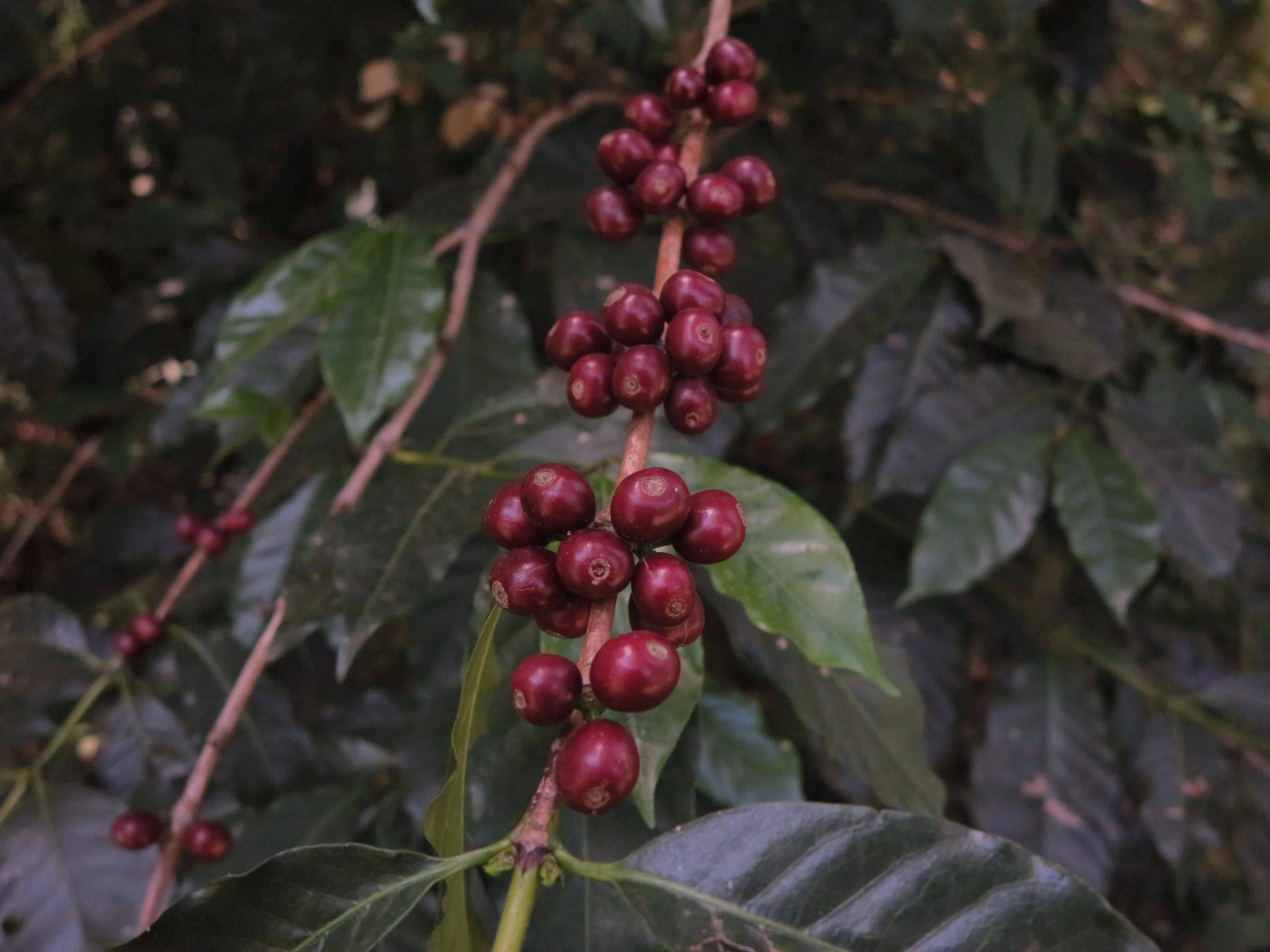
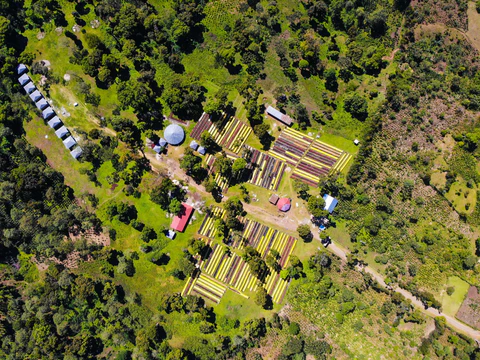
The cherries for this lot are sourced from 563 Daye Bensa member farmers across the Shantawene area, as well as directly from our Gatta Farm. Situated at 1920–2020 meters above sea level, Gatta Farm lies in the heart of Shantawene Village, surrounded by natural forest, rivers, and century-old indigenous trees that provide ideal shade and biodiversity for coffee cultivation. The farm was originally discovered and developed by co-founder Mulugeta Dukamo, with coffee planting beginning in 2013 and processing operations commencing in 2017.
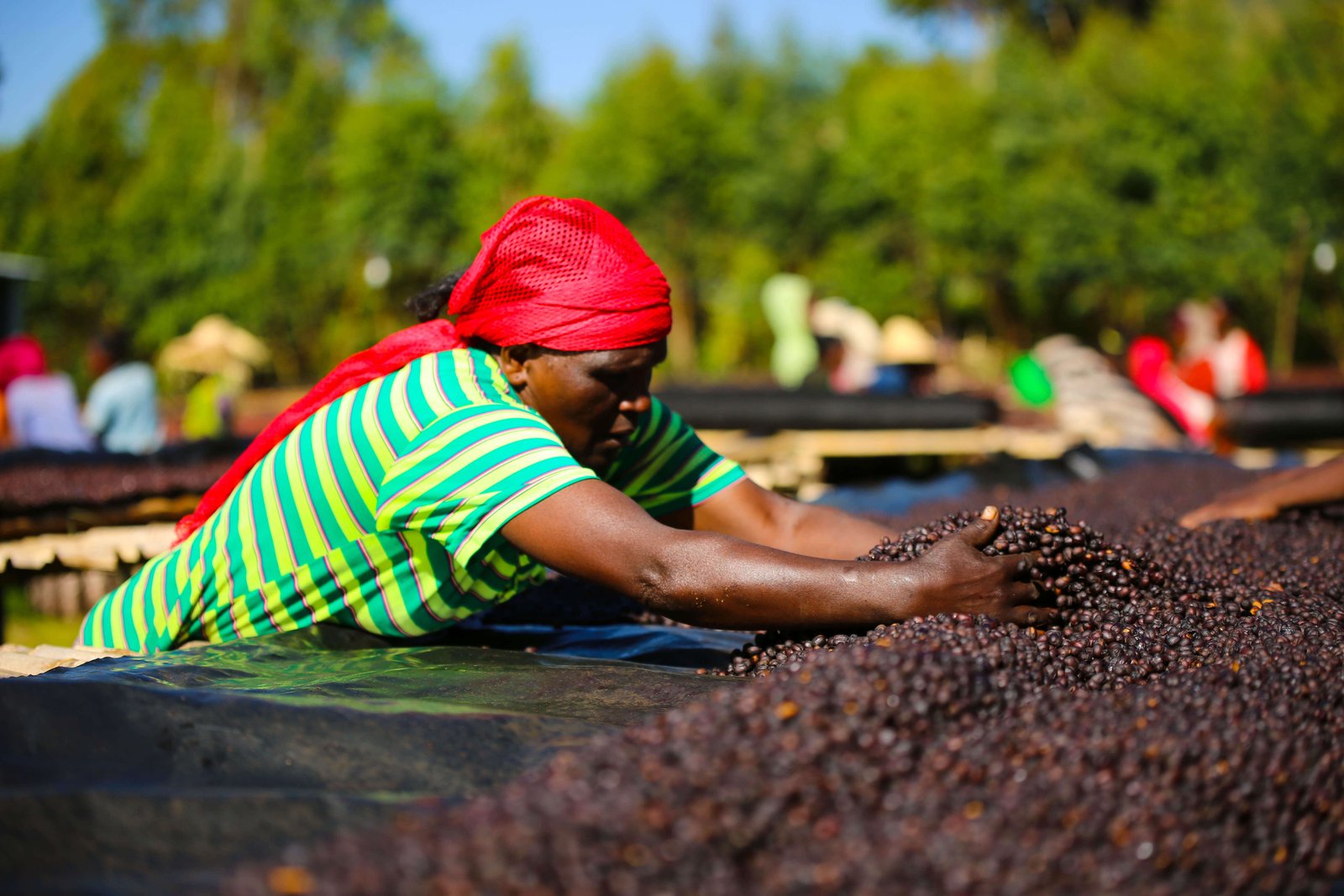
The extended maturation period at this altitude allows for slow cherry development, producing dense, flavour-rich beans. After careful handpicking, cherries are dried naturally on raised beds for 14–18 days under carefully controlled conditions. Plantation, harvesting, and processing work is primarily carried out by local residents, with women playing a key role in quality control and processing.
The result is a beautifully clean and complex cup, showcasing notes of sweetness, passionfruit, strawberry, bright acidity, and a creamy body, reflecting both the unique terroir of Shantawene and the dedication of the farming community.
Daye Bensa’s Gatta Farm isn’t only a farm, it consists of a drying station, a lodge and a training facility. During harvesting season, the drying station becomes active and also offers accommodations for employees or trainees until the training has ended. The training facility offers training in coffee processing for interested individuals.
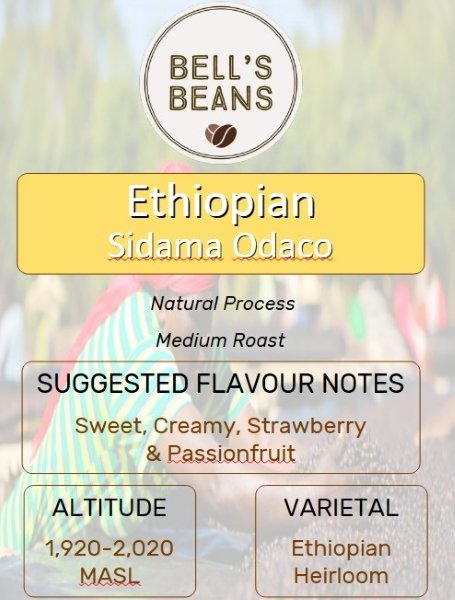
Coffee Grade: Fw Gr. 1
Varietal: Ethiopian Heirloom
Processing: Natural
Altitude: 1920 – 2020 Meters Above Sea Level
Producer: Daye Bensa
Region: Bensa, Sidama, Shantawene Village
Grade 1
Grades in Ethiopia depend on visual inspection for defects and on cup quality. Grade 1 is considered the highest quality coffee. Grade 1 and 2 are considered specialty coffee, grades 3-9 are classified as commercial coffee. Grade 1 is free of cup faults and taints and has zero quakers.
Coffee in Ethiopia
While Ethiopia is famous as coffee’s birthplace, today it remains a specialty coffee industry darling for its incredible variety of flavours. While full traceability has been difficult in recent history, new regulations have made direct purchasing possible.
The exceptional quality of Ethiopian coffee is due to a combination of factors. The genetic diversity of coffee varieties means that we find a diversity of flavour, even between (or within) farms with similar growing conditions and processing. In addition to varieties, processing methods also contribute to end quality. The final key ingredients for excellent coffee in Ethiopia are the producing traditions that have created the genetic diversity, processing infrastructure and great coffee we enjoy today.
Most producers in Ethiopia are smallholders, and the majority continue to cultivate coffee using traditional methods. As a result, most coffee is grown with no chemical fertilizer or pesticide use. Coffee is almost entirely cultivated, harvested and dried using manual systems.
This coffee and information has been supplied to Bell’s Beans by Coffee Legends LTD
How to store coffee at home
To keep your coffee as fresh as possible, you need to protect your coffee from air, sunlight, heat, and moisture. These all will contribute to making it stale and lose flavour.
We suggest keeping your coffee in an airtight container, in a cool, dry cupboard. Our bags all have a de-gassing valve, to let out CO2 that the beans produce once roasted, it’s not just there to sniff the coffee, and a reusable ziplock. So if you don’t have a fancy coffee jar just push the air out the bag, zip the lock and give the bag another squeeze to get any remaining air out.
Do not store your coffee in the fridge. Roasted coffee absorbs moisture from the air (hygroscopic) and will also take up surrounding aromas. The aromas and moisture levels in the fridge will react with the coffee and delicate flavours will deteriorate.
Need help on which grind size? Click here
News Letter
Fancy 15% off a coffee order? Then sign up to our news letter for a discount code, along with being the first to know about new coffees, special offers, tips and tricks.


